
In modern digital era, mastering email communication is as crucial as knowing how to brew the perfect cup of coffee. Whether you’re reaching out for collaboration or simply keeping in touch, crafting the right email can open doors you didn’t even know existed. But here’s the kicker, without the right approach, you might just be flinging your message into the digital void. So, buckle up as we jump into the essentials, quirks, and strategies surrounding effective email practices that will keep your correspondence both professional and engaging.
Understanding Email Etiquette
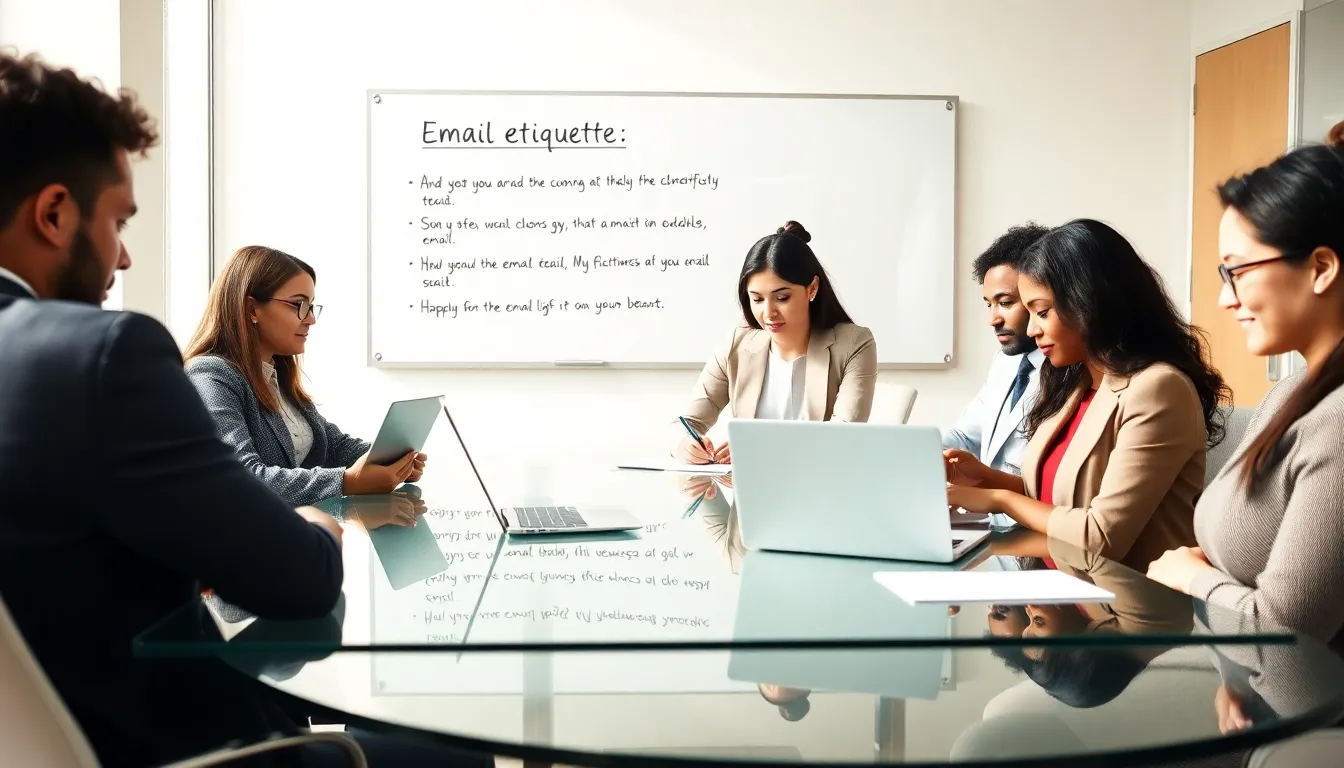
Importance of Clear Subject Lines
Imagine receiving an email titled “Important Update” without any clue of what it entails. Frustrating, right? Clear subject lines are the GPS of email communication: they guide recipients to understand the relevance of your message without the need to jump into it first. A well-crafted subject line not only grabs attention but sets expectations. For instance, instead of a vague subject, opt for something like “Proposal for Collaboration: Let’s Partner.” This not only clarifies your intent but also piques curiosity, who wouldn’t want to open that email?
Crafting a Professional Tone
Establishing a professional tone is paramount when composing emails. Think of it this way: you wouldn’t wear pajamas to a business meeting, so why would you adopt a casual tone in your emails? Choose your words wisely and maintain a respectful distance, especially if you’re addressing someone for the first time. Phrases like “I hope this email finds you well” are polite starters that can set the right tone. It’s not just about being formal: it’s about creating a tone that reflects respect and attention to detail.
Responding in a Timely Manner
When it comes to email communication, timing is everything. Think of it like a game of tennis, the ball is in your court. If someone reaches out, make it a point to respond within 24 hours. This shows respect for their time and signals that you’re engaged. Delayed responses can create a perception of unprofessionalism, leading to misunderstandings. In the event that you need a bit more time to formulate a thoughtful response, don’t hesitate to drop a quick acknowledgment. A simple “Thank you for your email: I’ll get back to you shortly” can go a long way.
Effective Strategies for Email Communication
Personalizing Your Messages
Imagine receiving an email that begins with “Dear Sir/Madam.” Not exactly warm and welcoming, is it? Personalization is key. Take a moment to address the recipient by their name and, if applicable, mention something specific about your last conversation. This shows that you value your dialogue and fosters a stronger connection. Consider this: not only does it enhance the rapport, but it also increases the likelihood that your email will be remembered.
Using Bullet Points for Clarity
If your email includes multiple points or instructions, consider employing bullet points. Bullet points break down the information into digestible bits, making it easier for the recipient to track what you’re saying. For example, instead of writing “We need to discuss our marketing strategy, budget allocations, and potential partnerships in the next meeting,” say:
- Marketing strategy
- Budget allocations
- Potential partnerships
This method enhances readability and keeps the focus sharp, which is ever so appreciated in the fast-paced world of emails.
Including a Call to Action
What’s the purpose of your email? Make it clear. A well-phrased call to action can guide your recipient toward the next steps, whether that’s scheduling a meeting or providing specific information. Instead of leaving them guessing, be direct. Phrases like “Could we schedule a time to discuss this further?” or “Please send me your feedback by Friday” clarify expectations and promote proactive responses. An email without a clear action point can easily drift off into the abyss, so ensure you invite engagement.
Common Pitfalls to Avoid
Even the most seasoned email communicators are prone to making mistakes. Here are some common pitfalls to watch for:
- Neglecting to proofread: Typos and grammatical errors can undermine your credibility. Always take a moment to proofread before hitting send.
- Using emojis excessively: While a well-placed emoji can add a personal touch, using too many can come off as unprofessional, especially in formal settings.
- Being overly verbose: Brevity is crucial. Aim to get to the point quickly and concisely. Long-winded emails are often ignored.
Being mindful of these traps ensures your emails remain taken seriously.

