
Imagine living in a home that not only reflects your style but also hugs Mother Earth. Green home building isn’t just a trend; it’s a lifestyle choice that makes eco-friendly living a breeze. With sustainable materials and energy-efficient designs, building green means you can save the planet while keeping your utility bills in check. Who knew saving the world could feel so good?
Overview of Green Home Building
Green home building represents a commitment to sustainability and eco-friendly practices. This approach prioritizes the use of sustainable materials, energy-efficient designs, and resource conservation throughout the building process. It encompasses various aspects, including site selection, water efficiency, and indoor air quality enhancements.
Benefits of green building include reduced energy consumption and lower utility costs. Studies indicate that energy-efficient homes can save homeowners an average of 30% on energy bills compared to traditional homes. Incorporating renewable energy sources, such as solar panels, further enhances these savings and decreases reliance on fossil fuels.
The design of green homes often emphasizes natural daylighting and ventilation. Strategically placed windows and ventilation systems contribute to a more comfortable living environment. Many homeowners find that this design reduces the need for artificial lighting and mechanical heating or cooling.
Materials play a significant role in green construction. Recycled, reclaimed, or locally sourced materials minimize environmental impact while promoting sustainable development. The use of non-toxic finishes and furnishings improves indoor air quality, benefiting occupants’ health.
Green certifications, such as LEED (Leadership in Energy and Environmental Design), validate the environmental performance of buildings. Earning such certifications demonstrates a commitment to smart growth and ecological stewardship. Many municipalities offer incentives, such as tax breaks or grants, for builders who meet these green building standards.
Ultimately, green home building aligns with a broader vision for sustainable living. This commitment creates homes that are not only functional and aesthetically pleasing but also beneficial for the environment. The integration of eco-friendly practices fosters a healthier planet for future generations.
Benefits of Green Home Building
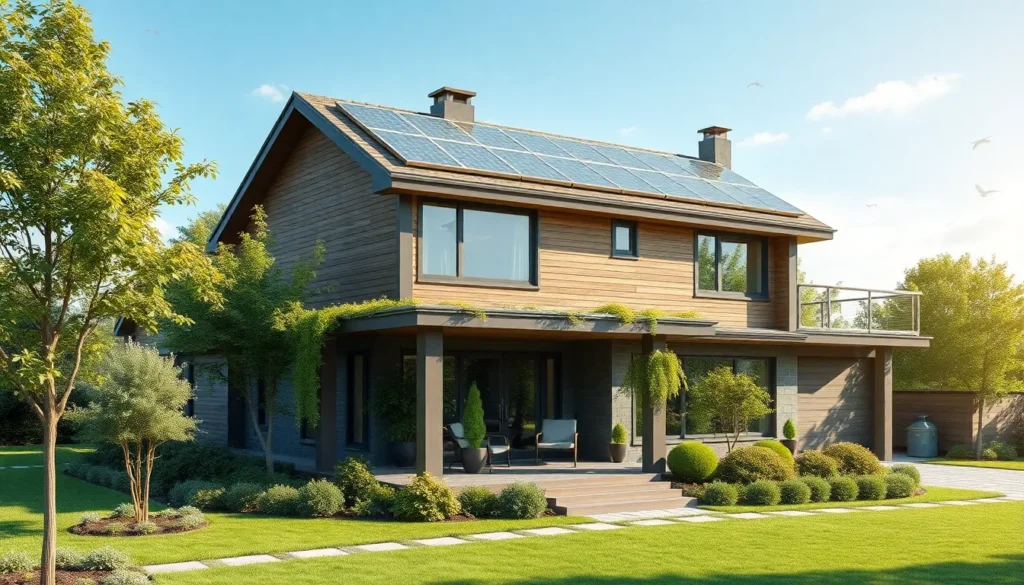
Green home building offers numerous advantages that enhance both individual lifestyles and the environment. Emphasizing sustainable practices, this approach fosters healthier living spaces while benefiting the planet.
Environmental Impact
Green homes significantly reduce destruction to ecosystems. They utilize sustainable materials, decreasing waste in landfills. Energy-efficient designs lower carbon footprints and promote resource conservation. Indoor air quality improves through the use of non-toxic finishes and proper ventilation methods. Rainwater harvesting and efficient plumbing systems decrease water usage, vital in areas experiencing drought. Homeowners contribute to a healthier planet while enjoying these benefits.
Economic Advantages
Green home building presents financial incentives that appeal to many households. Homeowners can enjoy energy bill savings averaging 30% compared to conventional homes. By utilizing renewable energy sources like solar panels, additional costs decrease. Lower maintenance costs occur due to durable, sustainable materials. Also, green-certified homes often appreciate in value, enhancing long-term investment returns. Incentives from municipalities further support green initiatives, making these homes financially beneficial for homeowners.
Key Principles of Green Home Building
Green home building emphasizes principles that enhance sustainability, efficiency, and comfort. These principles guide homeowners toward eco-friendly living.
Sustainable Materials
Sustainable materials play a vital role in green home construction. Recycled, reclaimed, and locally sourced items reduce environmental impact. Using non-toxic finishes promotes healthier indoor environments. The choice of materials influences energy efficiency and durability, leading to long-lasting homes. Homes built with sustainable materials can reduce construction waste significantly. Many certifications recognize the use of these materials, such as LEED, which validates environmental performance.
Energy Efficiency
Energy efficiency remains a cornerstone of green home building. Incorporating high-performance insulation minimizes energy loss. Utilizing energy-efficient windows enhances natural daylight access while maintaining indoor comfort. Installing renewable energy sources, like solar panels, can significantly cut utility bills. According to industry statistics, energy-efficient homes save an average of 30% on energy costs, making them financially appealing. Implementing smart home technologies further optimizes energy consumption, promoting sustainability.
Water Conservation
Water conservation is essential for sustainable home building. Installing low-flow fixtures reduces water usage without sacrificing performance. Efficient irrigation systems can lower outdoor water consumption. Landscaping with drought-resistant plants minimizes the need for excessive irrigation. Collecting rainwater for irrigation purposes conserves fresh water resources. Implementing these strategies not only protects local ecosystems but can also lead to savings on water bills.
Innovative Techniques in Green Home Building
Innovative techniques enhance sustainability in green home building. These methods not only lower environmental impact but also maximize energy efficiency.
Passive Solar Design
Utilizing passive solar design allows homes to harness natural sunlight. Strategic placement of windows captures sunlight for heating, minimizing reliance on artificial sources. Homes equipped with thermal mass materials, such as concrete or stone, retain heat, providing warmth during cooler periods. Proper roof overhangs manage sun exposure, reducing cooling needs in warmer months. This design approach can lead to notable energy cost savings, contributing to an estimated 30% reduction in heating expenses.
Rainwater Harvesting
Implementing rainwater harvesting systems benefits water conservation. Homeowners collect rainwater from roofs using gutters and downspouts, storing it in tanks for multiple uses. This collected water can irrigate gardens, reducing reliance on municipal supplies. Utilizing rainwater helps manage stormwater runoff, easing strain on drainage systems. On average, implementing such systems can decrease household water bills by 50%, promoting both sustainability and economic efficiency.
Challenges in Green Home Building
Green home building presents various challenges that require careful consideration. These challenges often involve cost implications and navigating complex regulations.
Cost Considerations
Budgeting for green construction can pose difficulties. Initial investments for sustainable materials and energy-efficient technologies tend to be higher than traditional options. Roofing materials like cool roofs and insulation can add approximately 15% to upfront costs. While long-term savings on energy bills contribute to offsetting these expenses, only some homeowners are aware of the full benefits. Access to affordable green materials can also be problematic, impacting the overall project budget. Higher costs for eco-friendly construction often lead many homeowners to hesitate when starting green projects.
Regulatory Issues
Regulatory challenges frequently arise with green building initiatives. Local building codes and zoning regulations might not accommodate innovative sustainable practices. Navigating the LEED certification process can also seem overwhelming due to its detailed requirements. Compliance with national guidelines for energy efficiency could result in additional hurdles, especially if local laws differ. Homebuilders may face varying interpretations of green standards across municipalities, creating confusion. Understanding these regulations is crucial for the successful execution of green projects.
Green home building represents a significant step toward a more sustainable future. By prioritizing eco-friendly materials and energy-efficient designs, homeowners can make a lasting impact on the environment while enjoying the benefits of reduced utility costs.
Despite the challenges that may arise in the building process, the long-term advantages far outweigh the initial hurdles. Embracing green building practices not only enhances personal comfort but also contributes to the overall health of the planet.
As awareness grows and technology advances, the path to sustainable living becomes more accessible. With each green home built, there’s a step closer to a healthier ecosystem for generations to come.

